
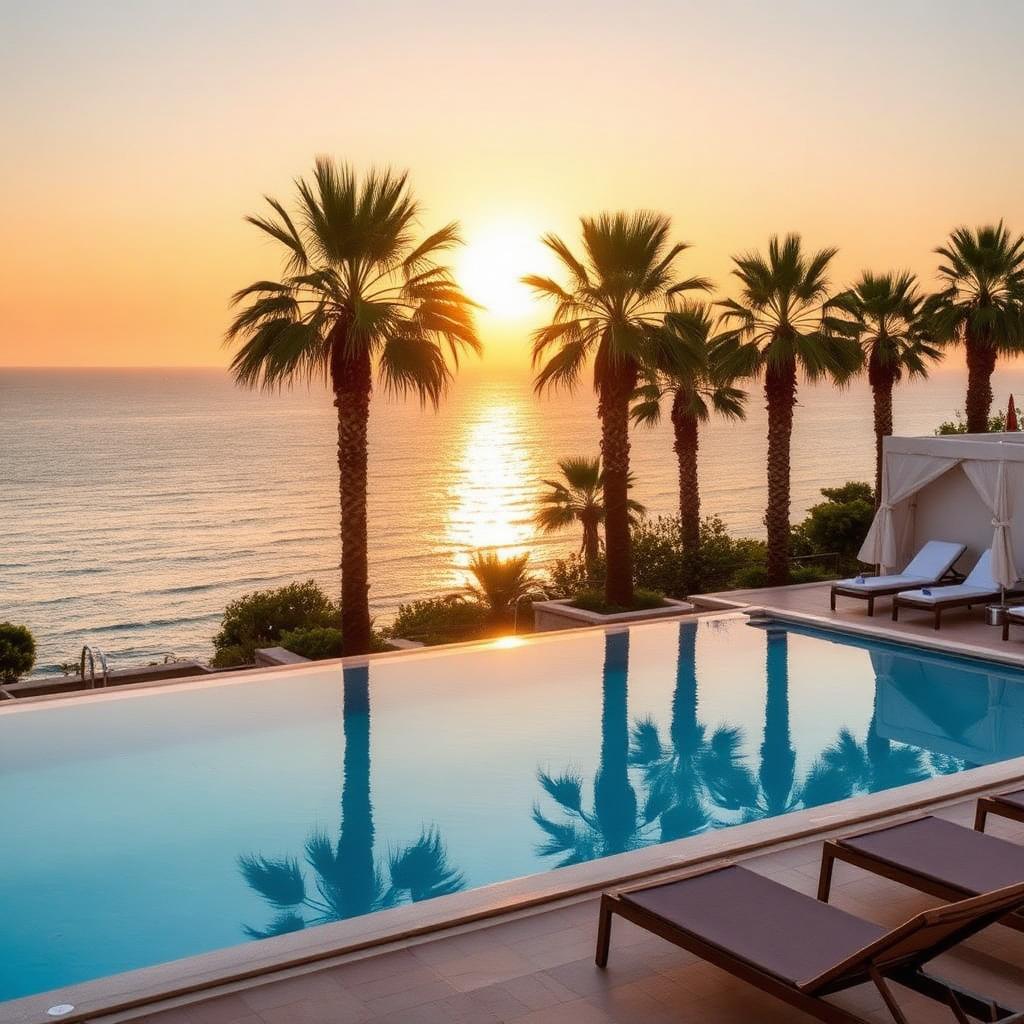
Retire in Moraira — Quiet Luxury, No High-Rise & a Famous Microclimate
Moraira is the Costa Blanca's exception to the rule: a coastal town where, by local planning law, no building can be taller than the palm trees. The result is a low-rise marina village ringed by villa-only urbanisations, with one of Europe's most-studied benign microclimates and the highest concentration of well-off northern European retirees on the coast.
Moraira is the Costa Blanca's exception to the rule: a coastal town where, by local planning law, no building can be taller than the palm trees. The result is a low-rise marina village ringed by villa-only urbanisations, with one of Europe's most-studied benign microclimates and the highest concentration of well-off northern European retirees on the coast.
Why retirees choose Moraira
Moraira deliberately stayed small. No high-rises, no mass tourism, no nightclub strip — just a working fishing port, a marina, a handful of restaurants and a long string of villa urbanisations climbing the hills behind. Property values reflect this: it's the most expensive coast on this stretch.
The international community is heavily German, British, Belgian, Dutch and Scandinavian — and it's a residential community more than a tourist one. The microclimate (mild winters, no extreme summer heat thanks to the sea breeze) was the original draw and still ranks among the kindest in Europe.
Monthly cost — couple, comfortable
| Item | Monthly cost (EUR) |
|---|---|
| Rent (2-bed villa, urbanisation) | 1,200–1,800 |
| Buy (3-bed villa, ~400k–700k) | — |
| Community fees (if applicable) | 60–200 |
| IBI / rubbish (annualised) | 80–160 |
| Pool maintenance | 80–140 |
| Utilities | 200–280 |
| Private health insurance (couple, 65+) | 260–360 |
| Groceries | 470–600 |
| Eating out (4–6 times/month) | 220–320 |
| Car (fuel, insurance, ITV) | 180–240 |
| Total | €2,750–€3,800 |
Where to live
- ✦Town centre / marina: walkable to restaurants, port and beach; mostly apartments and townhouses.
- ✦El Portet: small picture-perfect bay just north of town — premium prices, walkable to sand.
- ✦Moravit / Pla del Mar: established villa urbanisations near town.
- ✦Benimeit / Sabatera: hillside villas with sea views — needs a car.
- ✦Cumbre del Sol / Pla del Mar (edge): newer villa developments towards Benitachell.
Healthcare
Moraira has a primary care centre and a handful of private clinics. For hospital care, Hospital de Dénia (Marina Salud, public-private) is 20 minutes north and Hospital HLA San Carlos (Dénia, private) is similar. Many retirees combine public coverage with full private insurance — at this end of the market it's the default.
Lifestyle & community
- ✦Marina with sailing club, regular regattas, fishing port.
- ✦Excellent restaurant scene — fish, Asian, Italian, classic Spanish.
- ✦Friday weekly market on the seafront.
- ✦Walking and cycling on the inland Jalón Valley vineyards.
- ✦Strong German, Belgian and British clubs (golf, bridge, tennis, walking).
Trade-offs
Property and rental prices are 30–60% higher than equivalent Calpe options. There's no train and no tram — you'll drive everywhere outside the town centre. And in deep winter, some restaurants close for a month. The trade is the quietest, prettiest, most low-key luxury life on the coast.
Related retirement guides
Best places to retire
Comparing every retirement town on the Costa Blanca.
Read guideHealthcare
Public, private, insurance and emergencies.
Read guideCost of living
Real monthly budgets by lifestyle and town.
Read guideResidency
Non-lucrative visa, EU residency and permanent status.
Read guideTaxes
Pensions, wealth, inheritance and capital gains.
Read guideProperty
Apartments, villas, golf and beachfront.
Read guideFrequently asked
More retirement towns to compare
- Retire in Alfaz del PiQuiet residential town with strong international community.
- Retire in TorreviejaAffordable, vast international community and salt lakes.
- Retire in BenidormYear-round amenities and the best healthcare on the coast.
- Retire in JáveaSheltered bay, microclimate and three distinct zones.
Healthcare options for retirees
Related guides
Need help moving to Spain?
Our local team helps with visas, NIE, healthcare, housing and more. One friendly point of contact for your whole relocation.