
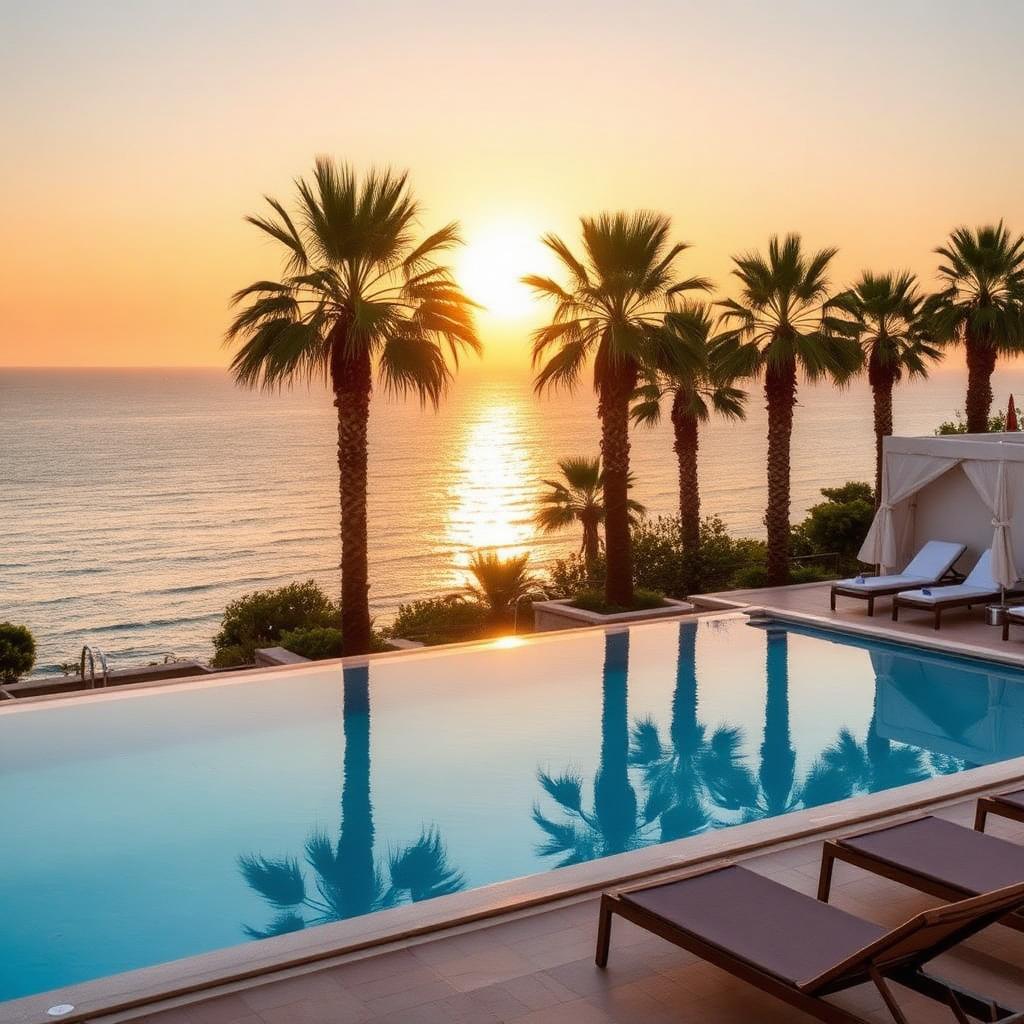
Retire in Dénia — Gastronomy, Marina and Mountain Behind You
A UNESCO Creative City of Gastronomy, a 20 km coastline that splits into flat family beaches and pine-cliff coves, a working marina with a Balearics ferry, and a public hospital in town. Dénia is the most balanced retirement town on the northern Costa Blanca.
A UNESCO Creative City of Gastronomy, a 20 km coastline that splits into flat family beaches and pine-cliff coves, a working marina with a Balearics ferry, and a public hospital in town. Dénia is the most balanced retirement town on the northern Costa Blanca.
Why Dénia works for retirees
Dénia is a real Spanish town of 45,000 that happens to host a large, well-integrated international community — mostly British, Dutch, German and Belgian. Unlike Albir or Moraira it does not feel like an expat enclave. The old town, market, fishing port and weekly produce calendar carry on regardless of season.
The setting is rare: the Montgó massif rises 753m straight behind the town, sheltering it from northern wind. To the south, the Las Rotas coast is a string of pine-shaded coves; to the north, Les Marines is 12 km of flat sandy beach perfect for daily walks.
Healthcare
Hospital de Dénia is a modern public hospital well regarded in the regional system. Two well-equipped private clinics (HCB Dénia, Vithas Medimar in Xàbia 15 min away) cover most specialties. For very specialised care most retirees use Quirónsalud in Alicante (1 h) or fly to Valencia (1 h 15).
English-speaking GPs and dentists are easy to find in the centre and in Les Marines.
Cost of living — couple
| Category | Monthly (€) |
|---|---|
| Rent — 2-bed near old town | 950 – 1,400 |
| Buy — 2-bed apartment | €200k – €320k |
| Buy — villa with pool, Montgó | €450k – €900k |
| Groceries | 450 – 600 |
| Eating out (3x/week) | 300 – 500 |
| Utilities + internet | 140 – 200 |
| Private health insurance (couple, 65) | 180 – 280 |
| Couple's total | 2,300 – 3,000 |
Where retirees live
- ✦**Old town / Baix la Mar:** apartments in walking distance of cafés, the castle and the Saturday market. Lively year-round.
- ✦**Les Marines:** the long northern beach strip — quieter, more international, lots of villas with pool.
- ✦**Las Rotas:** rocky coast to the south, larger plots, premium prices, harder to walk into town.
- ✦**Montgó slopes (La Sella, Pedreguer side):** villas with views, dependent on car.
- ✦**El Verger / Els Poblets:** inland villages 5–10 minutes away, much cheaper, more Spanish.
Social life
Dénia has the densest gastronomy of any Spanish town its size — three Michelin-starred restaurants, dozens of arrocerías, a daily fish auction at the lonja. A typical retiree week includes the Saturday municipal market, lunch at one of the marina arrocerías, a hike in Montgó natural park, and an evening at the castle's open-air concert season in summer.
U3A Dénia, the British Society, a Dutch club and a Mariner's club all run year-round. The Centro Social hosts free Spanish classes for residents.
Trade-offs
Dénia is further from Alicante airport (1 h 10) than the south of the Costa Blanca. Valencia airport is also 1 h 15 but has fewer UK/Northern European routes. Summer traffic on the coastal roads is heavy in July–August. And property in Les Marines floods occasionally during autumn gota fría rainstorms — always check insurance and the property's history.
Related retirement guides
Best places to retire
Comparing every retirement town on the Costa Blanca.
Read guideHealthcare
Public, private, insurance and emergencies.
Read guideCost of living
Real monthly budgets by lifestyle and town.
Read guideResidency
Non-lucrative visa, EU residency and permanent status.
Read guideTaxes
Pensions, wealth, inheritance and capital gains.
Read guideProperty
Apartments, villas, golf and beachfront.
Read guideFrequently asked
More retirement towns to compare
- Retire in Alfaz del PiQuiet residential town with strong international community.
- Retire in BenidormYear-round amenities and the best healthcare on the coast.
- Retire in CalpeIconic Peñón de Ifach, two long beaches and full amenities.
- Retire in La NucíaInland hills with outstanding municipal services and sports.
Healthcare options for retirees
Related guides
Need help moving to Spain?
Our local team helps with visas, NIE, healthcare, housing and more. One friendly point of contact for your whole relocation.