
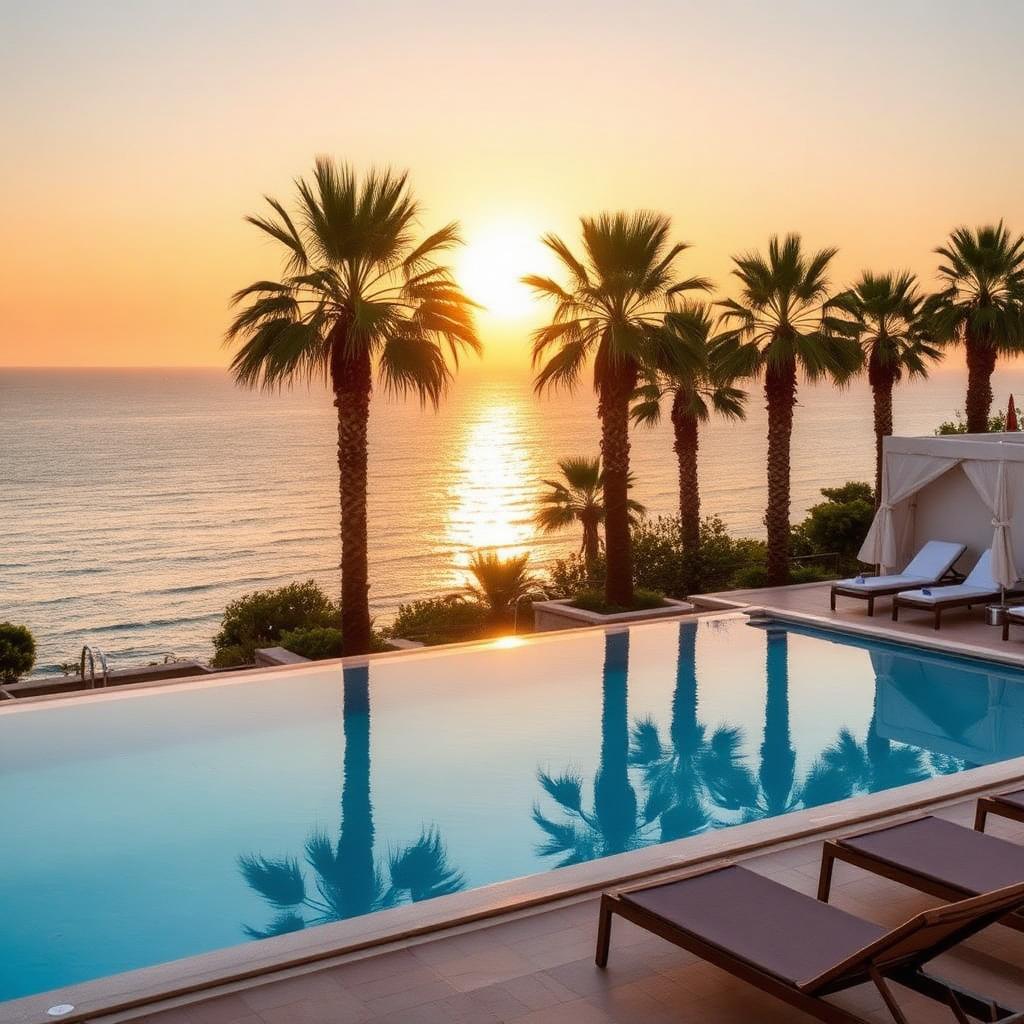
Retire in Torrevieja — Affordable, English-Friendly and Close to Healthcare
The most affordable mainstream retirement town on the Costa Blanca, with a salt-lake nature reserve, a hospital walk-away and one of Europe's largest year-round expat communities. Torrevieja is not pretty in the Jávea sense — but for budget retirement, nothing on the coast competes.
The most affordable mainstream retirement town on the Costa Blanca, with a salt-lake nature reserve, a hospital walk-away and one of Europe's largest year-round expat communities. Torrevieja is not pretty in the Jávea sense — but for budget retirement, nothing on the coast competes.
The honest case for Torrevieja
Torrevieja gets unfair stick from people who have never spent time here. Yes, much of the town is 1970s–1990s high-rise, and the summer crowds are intense. But strip those away and you have a town with: a proper local Spanish identity, two pink salt lakes that are a protected nature reserve, an active port, a long flat seafront, an excellent public hospital and the cheapest mainstream retirement property on the Costa Blanca.
British, Irish, German and Scandinavian retirees together make up around 50% of the registered population. Northern European products, services and church congregations are everywhere.
Retirees on €1,500–€2,500/month who want a flat town, abundant English-language services and a top public hospital within walking distance.
Healthcare — a major plus
Hospital Universitario de Torrevieja is consistently rated among the best public hospitals in Spain (it was famously run under the Alzira concession model and won multiple efficiency awards). Many staff speak English; the area's expat density has shaped how the hospital communicates.
Private alternatives include Quirónsalud Torrevieja, IMED Elche (30 min) and a long list of small clinics in the centre.
Cost of living — couple
| Category | Monthly (€) |
|---|---|
| Rent — 2-bed apartment central | 650 – 950 |
| Buy — 2-bed apartment | €95k – €180k |
| Buy — townhouse with pool (urbanisation) | €140k – €240k |
| Groceries | 400 – 550 |
| Eating out (3x/week) | 250 – 400 |
| Utilities + internet | 130 – 190 |
| Private health insurance (couple, 65) | 180 – 280 |
| Couple's total | 1,700 – 2,300 |
Where retirees live
- ✦**Town centre (Habaneras area):** apartments walkable to hospital, market and seafront. Lively year-round.
- ✦**La Mata:** the quieter northern beach district with the salt-lake natural park behind it.
- ✦**Punta Prima:** modern apartment blocks at the southern edge, popular with Nordics.
- ✦**Los Balcones / Aguas Nuevas:** townhouse urbanisations on the western edge, communal pool, car needed.
- ✦**Orihuela Costa border (Cabo Roig, La Zenia):** technically a different municipality, more upmarket, walkable to Torrevieja amenities.
Social life
Torrevieja has the most active expat club scene on the coast. The British Royal Legion, the Belgian Club, the Dutch Club, the U3A and dozens of nationality-specific groups all run year-round programmes. The municipal Habaneras choral festival (July–August) is a UNESCO-listed cultural fixture.
Petanca, lawn bowls, bridge, line dancing, choirs, walking groups, golf societies — it's all here, mostly in English.
What to watch out for
Summer (June–September) is intense — population can triple. Traffic and parking are difficult. Some apartment blocks built in the boom years (2005–2008) cut quality corners; always pay for a building inspection. And the coastal road (N-332) through the town is congested at rush hour.
Related retirement guides
Best places to retire
Comparing every retirement town on the Costa Blanca.
Read guideHealthcare
Public, private, insurance and emergencies.
Read guideCost of living
Real monthly budgets by lifestyle and town.
Read guideResidency
Non-lucrative visa, EU residency and permanent status.
Read guideTaxes
Pensions, wealth, inheritance and capital gains.
Read guideProperty
Apartments, villas, golf and beachfront.
Read guideFrequently asked
More retirement towns to compare
- Retire in DéniaUNESCO Gastronomic City and lively Marina Alta capital.
- Retire in BenidormYear-round amenities and the best healthcare on the coast.
- Retire in Alfaz del PiQuiet residential town with strong international community.
- Retire in La NucíaInland hills with outstanding municipal services and sports.
Healthcare options for retirees
Related guides
Need help moving to Spain?
Our local team helps with visas, NIE, healthcare, housing and more. One friendly point of contact for your whole relocation.