
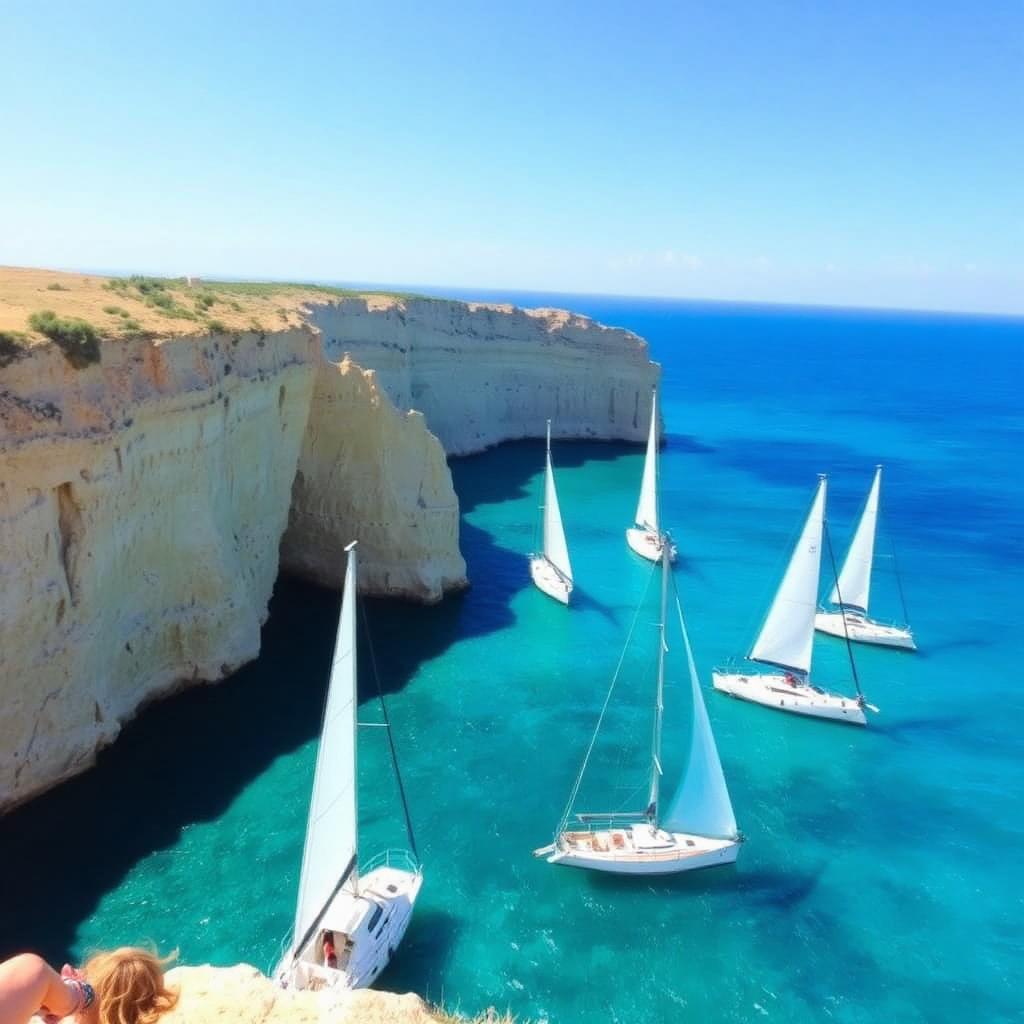
Nature Parks & Reserves on the Costa Blanca
Behind the beaches and golf resorts lies a string of remarkable protected landscapes — flamingo-pink salt lagoons, beech forests at 1,300 m, cliff reserves where griffon vultures circle, and Spain's first marine reserve. Here's the guide to the Costa Blanca's nine major parques naturales.
Behind the beaches and golf resorts lies a string of remarkable protected landscapes — flamingo-pink salt lagoons, beech forests at 1,300 m, cliff reserves where griffon vultures circle, and Spain's first marine reserve. Here's the guide to the Costa Blanca's nine major parques naturales.
Why this small province has so many protected areas
Alicante sits at the meeting point of three climates — Mediterranean coast, semi-arid south and mountain hinterland — which produces an extraordinary range of habitats in a tiny footprint. The Valencian government protects nine Parques Naturales here, plus several smaller paratges and the country's oldest marine reserve at Tabarca. All are free to enter; most have a visitor centre and waymarked walking routes.
The nine Parques Naturales at a glance
| Park | Where | Habitat | Star sighting |
|---|---|---|---|
| Serra Gelada | Albir / Benidorm | Coastal cliffs, marine extension | Posidonia meadows, peregrine falcons |
| Montgó | Dénia / Jávea | Limestone massif rising to 753 m | Bonelli's eagle, wild orchids |
| Penyal d'Ifac | Calpe | Iconic 332 m sea rock | Yellow-legged gulls, rare sea lavender |
| Serra de Mariola | Alcoy / Bocairent | Pine and oak forest, 1,389 m | Wild thyme, medicinal herbs |
| Font Roja | Alcoy / Ibi | Ancient beech and yew forest | Wild boar, golden eagle |
| Salinas de Santa Pola | Santa Pola | Working salt pans | Pink flamingos year-round |
| Lagunas de La Mata-Torrevieja | Torrevieja | Pink salt lake & green lake | Flamingos, avocets, black-winged stilts |
| El Hondo | Crevillente / Elche | Wetlands & reservoir | Marbled teal — Europe's rarest duck |
| Carrascar de la Font Roja | Ibi / Alcoy | Holm-oak forest | Roe deer, wildcat |
The wetland trio — Spain's flamingo country
The southern Costa Blanca holds three of the most important wetlands in the western Mediterranean: the Santa Pola salt pans, the Lagunas de La Mata–Torrevieja and El Hondo. Together they support over 2,000 flamingos year-round, peaking at 8,000+ in late summer, and act as a critical refuge for migrating waders. La Mata's lake turns vivid pink in summer from a salt-loving alga; the Santa Pola pans have a boardwalk through the salt mountains; El Hondo has a series of hides for serious birders.
If you only do one nature park: Lagunas de La Mata. Easy parking, a flat 5 km loop around the pink lake, flamingos guaranteed and a small free visitor centre.
The mountain parks
The four inland Parques Naturales — Mariola, Font Roja, Aitana (technically a paraje, not a parque) and Carrascar — preserve the cool, wet Mediterranean montane forests that once covered the inland Costa Blanca. Font Roja in particular is unmissable: a fragment of ancient beech, yew and maple forest at 1,200 m, glorious in autumn colour and home to wild boar, golden eagles and the elusive wildcat.
- ✦Font Roja — visitor centre at Mas de Tetuán, 5 km waymarked loop
- ✦Mariola — herb walks, the Cava Arquejada snow well
- ✦Aitana — 22 km road to the summit antennas, immense views
- ✦Carrascar — quiet holm-oak forest, perfect for wildlife dawns
The coastal & marine reserves
Three coastal parks anchor the northern half of the province. Serra Gelada protects the dramatic cliffs between Albir and Benidorm and extends 3 nautical miles offshore. Montgó towers over Dénia and Jávea with peregrines and Bonelli's eagles. Penyal d'Ifac is a postage-stamp park around the iconic Calpe rock. Offshore, the Tabarca marine reserve has been a no-take zone since 1986 — Spain's first — and snorkellers see grouper, dentex and dense shoals of bream within metres of the shore.
Visiting — practical tips
- ✦All parks are free; visitor centres open weekends and most weekdays
- ✦Best months: October to May (and dawn in summer)
- ✦Wear hiking boots — limestone trails are sharp and loose
- ✦Bring binoculars for the wetlands; a snorkel mask for Tabarca
- ✦Drones banned in every Parque Natural — don't risk the fine
- ✦Take all litter out; fires forbidden year-round
Each visitor centre runs free guided walks several times a month — usually in Spanish, sometimes in English. Book a week ahead via the Generalitat Valenciana parks website.
Related guides
Beaches
240 km of coastline, 80+ Blue Flag beaches.
Read guideHiking
Peñón de Ifach, Montgó, Sierra Bernia.
Read guideFood & wine
Paella, rice dishes and Alicante wine.
Read guideFamily
Theme parks, water parks, animals.
Read guideVillages
Most beautiful inland pueblos.
Read guideEvents
Fiestas calendar — month by month.
Read guideFrequently asked
Related guides
Need help moving to Spain?
Our local team helps with visas, NIE, healthcare, housing and more. One friendly point of contact for your whole relocation.