
Best Snorkelling Beaches on the Costa Blanca
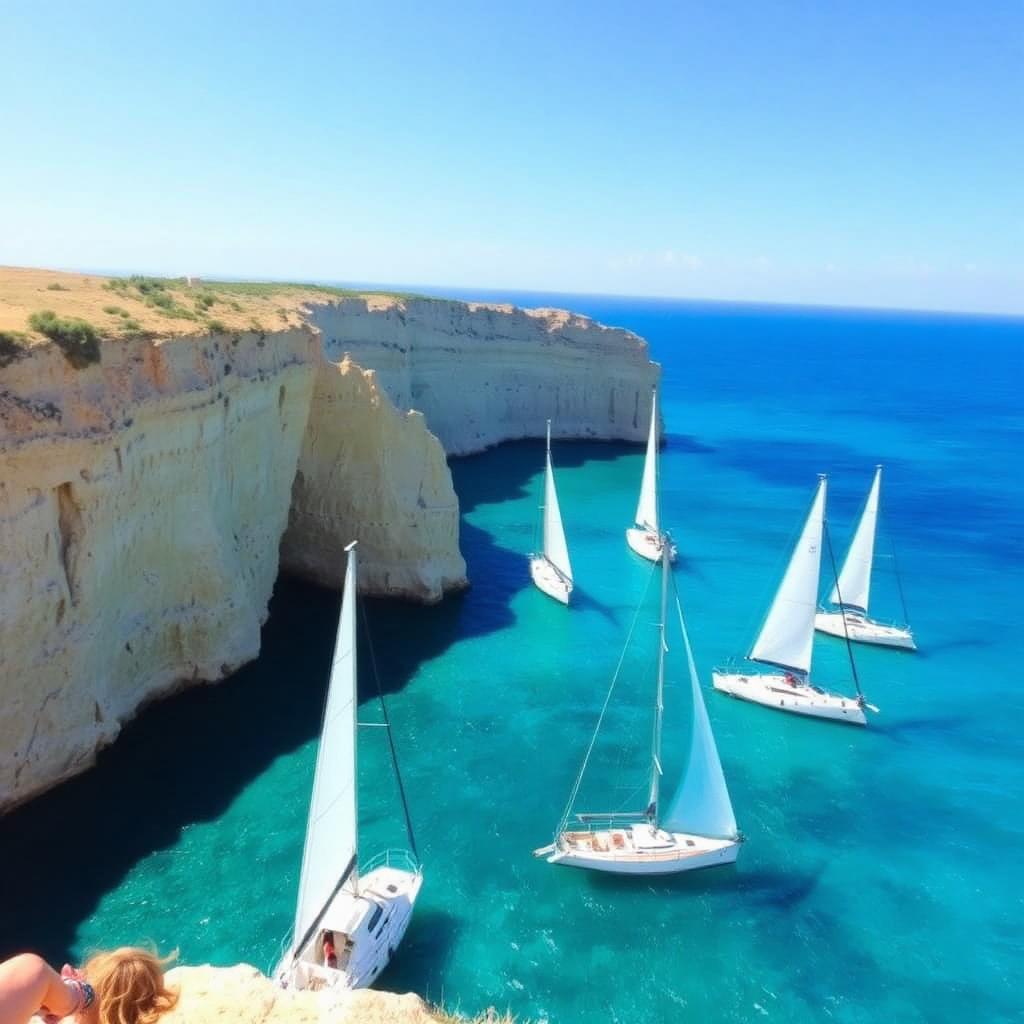
Two protected marine reserves, dozens of rocky coves and water that hits 30-metre visibility on a good day — the Costa Blanca is one of Spain's best places to drop a mask and look down. Here's where to go, what you'll see and the kit you'll want.
Two protected marine reserves, dozens of rocky coves and water that hits 30-metre visibility on a good day — the Costa Blanca is one of Spain's best places to drop a mask and look down. Here's where to go, what you'll see and the kit you'll want.
Why the snorkelling is so good here
The Alicante coast is mostly limestone, not granite — that means clear water without silt, rocky reefs full of cracks for octopus and moray, and Posidonia seagrass meadows that act as nurseries for almost everything that swims. Two formally protected marine reserves — Cabo de San Antonio (between Dénia and Jávea) and Isla de Tabarca off Santa Pola — have been no-take zones since the 1980s, so fish life is genuinely abundant.
What you can expect to see on an average summer snorkel: bream, sea bass, mullet, damselfish, wrasse, salema, the occasional barracuda and — if you look in the right cracks — octopus, moray eels and shoals of cardinalfish. Posidonia meadows shelter pipefish, seahorses and starfish.
The 8 best snorkelling spots
| Spot | Town | Why it's special |
|---|---|---|
| Cabo de San Antonio | Dénia / Jávea | Marine reserve — the best snorkelling on the coast |
| Playa de Las Rotas | Dénia | Rocky shore right in town, 20 m+ visibility |
| Cala Granadella | Jávea | Reserve-adjacent, clear water, rock walls |
| Cala del Portitxol | Jávea | Sheltered, rocky edges, very clear |
| Isla de Tabarca | Santa Pola | Spain's oldest marine reserve — boat day trip |
| Cala Baladrar | Benissa | Pebble cove with rock walls either side |
| Cala del Moraig | Benitachell | Cliffs, the Cova dels Arcs cave, deep water |
| Cala Mascarat | Altea | Rocks at both ends, often empty mid-week |
Kit and conditions
- ✦Mask, snorkel, fins — buy decent ones, hire ones leak
- ✦Reef shoes — pebble entries are uncomfortable barefoot
- ✦Rash vest or lycra top — even in August an hour in the water gets cold
- ✦Bring a float or surface marker if you head past the swim zone
- ✦Best months: June to October. Best time of day: morning, before wind
- ✦Visibility is best after a few days of calm — check the forecast
In Cabo de San Antonio and Tabarca you can swim, snorkel and free-dive — but no fishing, no anchoring on Posidonia, no taking shells. Boat numbers are limited in summer; book a licensed operator for guided trips.
Guided snorkelling & scuba trips
Several operators run morning snorkel tours from Jávea (Cabo San Antonio) and from Santa Pola (Tabarca). Trips typically last 3–4 hours, include kit and a marine guide, and cost €30–€50 per person. For experienced snorkellers, the dive centres also run free-dive 'discovery' trips along the cliffs of Benitachell.
Related guides
Beaches
240 km of coastline, 80+ Blue Flag beaches.
Read guideHiking
Peñón de Ifach, Montgó, Sierra Bernia.
Read guideFood & wine
Paella, rice dishes and Alicante wine.
Read guideFamily
Theme parks, water parks, animals.
Read guideVillages
Most beautiful inland pueblos.
Read guideEvents
Fiestas calendar — month by month.
Read guideFrequently asked
Related guides
Need help moving to Spain?
Our local team helps with visas, NIE, healthcare, housing and more. One friendly point of contact for your whole relocation.