
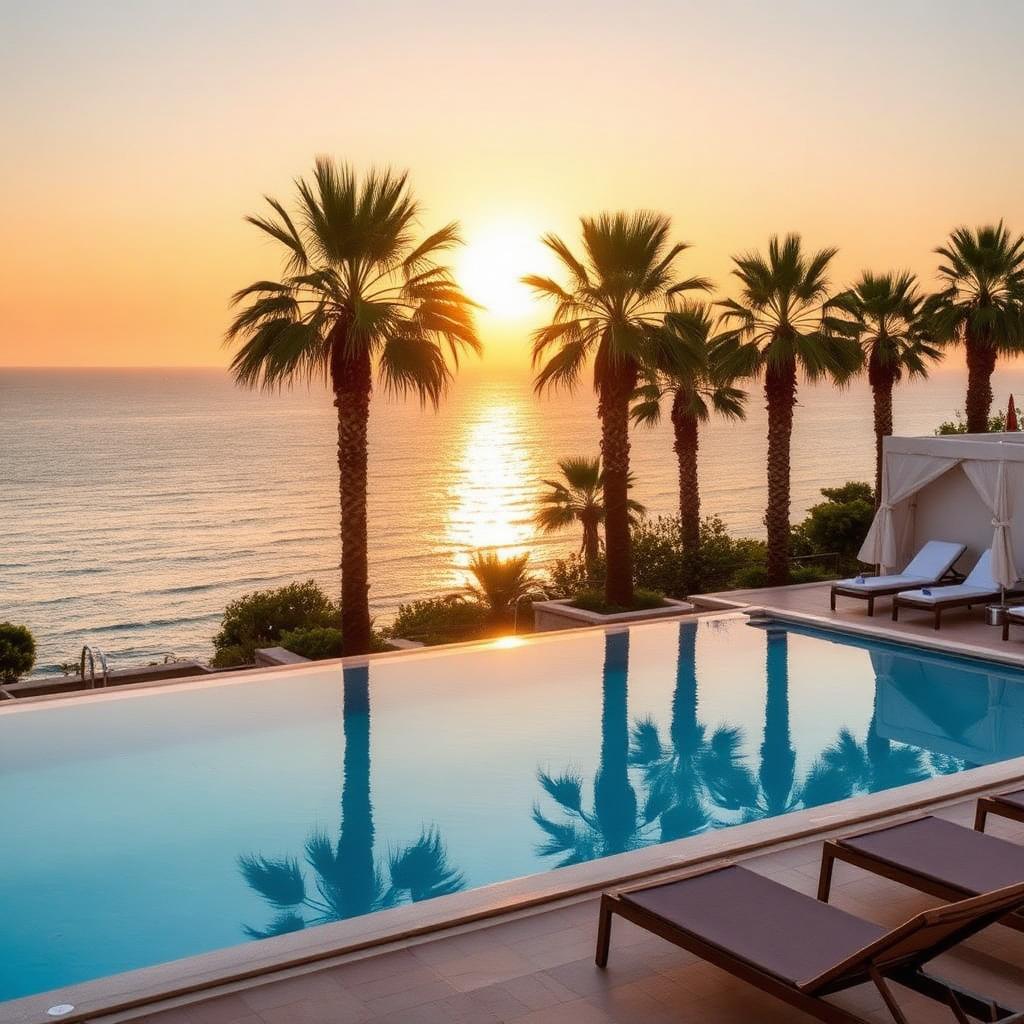
Lifestyle in retirement on the Costa Blanca
What a typical week actually looks like — climate, social life, sport, food, culture and travel — for retirees living between Alicante and Dénia.
What a typical week actually looks like — climate, social life, sport, food, culture and travel — for retirees living between Alicante and Dénia.
The shape of a retirement week
The single biggest lifestyle shift retirees report is that the week stops revolving around weather. With 320 days of sun a year and 18-22°C winter daytimes, outdoor activity becomes the default: morning walks on the promenade, mid-morning coffee with the same group at the same café, an early lunch, a siesta, and an evening paseo. Saturdays are markets; Sundays are family lunches that run from 14:00 to 18:00.
Most established retirees build their week around 2-3 anchors — a sport (padel, golf, hiking, swimming), a social group (Nordic club, U3A, choir, bridge), and a volunteer commitment (animal shelter, food bank, language exchange). That structure is what prevents the 'permanent holiday' feeling from collapsing into boredom by year two.
Climate by month
| Month | Avg high | Sea temp | Rain days | What's open |
|---|---|---|---|---|
| January | 17°C | 15°C | 4 | Almost everything except beach chiringuitos |
| April | 22°C | 16°C | 5 | Easter processions, full markets, beach starts |
| July | 31°C | 25°C | 1 | Peak season — book restaurants ahead |
| October | 25°C | 22°C | 6 | Best month — warm sea, empty beaches |
Sport, fitness and outdoors
- ✦Padel — every town has 3-6 courts, league play from €15/h, beginner clinics at every club.
- ✦Golf — 20+ courses between Alicante and Murcia, federation card €60/year unlocks resident rates.
- ✦Hiking — Serra Gelada (Albir), Montgó (Dénia/Jávea), Peñón d'Ifac (Calpe), Sierra Helada coastal path.
- ✦Sea swimming — year-round groups in Albir, Altea, Moraira; wetsuit Dec-March.
- ✦Cycling — Marina Alta back roads, Vuelta a España climbs, organised gran fondos every spring.
- ✦Yoga, pilates, tai chi — every town has bilingual classes, €40-€60/month unlimited.
Food and drink rhythm
The Costa Blanca is one of Spain's most varied food regions. The day is anchored by menú del día (€13-€18 for 3 courses + wine) at lunch — most retirees eat their main meal at 14:00 and a light tapa in the evening. Saturday market shopping is a social ritual; arrocerías (rice restaurants) are reserved for Sunday family lunches. Local wine from Jalón Valley and Bodegas Mendoza is well under €10 a bottle.
Travel from your front door
| Destination | How | Time | Cost |
|---|---|---|---|
| Madrid | AVE high-speed from Alicante | 2h 20 | €35-€90 |
| Valencia | Cercanías or car | 1h 45 | €18 train |
| Mallorca / Ibiza | Ferry from Dénia (Baleària) | 3-7h | €60-€120 |
| Morocco / Lisbon / Paris | Direct flight from ALC | 1-2h | €40-€150 |
| Inland villages (Guadalest, Jalón) | Car | 30-60m | Diesel only |
What's harder than the brochure suggests
1) August is genuinely unpleasant — heat, crowds, restaurant queues. Many residents leave for the UK/Nordics or escape inland. 2) Spanish bureaucracy doesn't get easier, you just learn which gestor to call. 3) If you don't learn at least conversational Spanish by year three, your friendship circle stays small and expat-only.
Related retirement guides
Best places to retire
Comparing every retirement town on the Costa Blanca.
Read guideHealthcare
Public, private, insurance and emergencies.
Read guideCost of living
Real monthly budgets by lifestyle and town.
Read guideResidency
Non-lucrative visa, EU residency and permanent status.
Read guideTaxes
Pensions, wealth, inheritance and capital gains.
Read guideProperty
Apartments, villas, golf and beachfront.
Read guideFrequently asked
Recommended retirement neighbourhoods
Healthcare options for retirees
Related guides
Need help moving to Spain?
Our local team helps with visas, NIE, healthcare, housing and more. One friendly point of contact for your whole relocation.